Polyphenylene Sulfide (PPS): The Material Innovator in High-Temperature and Corrosive Environments
——Analysis of its unique performance and cross-field applications
In the field of modern industrial materials, polyphenylene sulfide (Polyphenylene Sulfide, referred to asPPS) has become a "versatile" in extreme working conditions with its excellent comprehensive performance. This polymer material formed by alternating bonds between benzene rings and sulfur atoms has continuously broken through the application limits of traditional engineering plastics with its high temperature resistance, corrosion resistance, and dimensional stability. This article will start from the molecular structure characteristics and combine actual cases to reveal how PPS rewrites the technical rules of multiple industries.
Guangzhou OTEMEngineering Plastics Co., Ltd., your professional PPS consultant! Provide you with professionalPPSProducts and services!
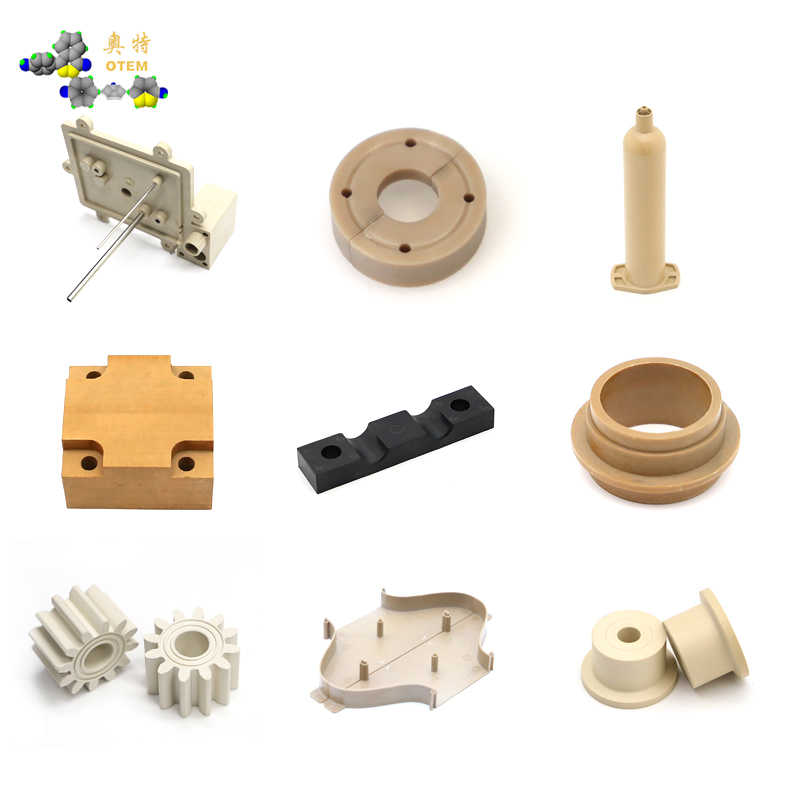
A triumph of molecular design: the source of stability
The performance advantage of PPS comes from its special molecular structure. The rigid skeleton of the benzene ring and the flexibility of the sulfide bond (-S-) complement each other, making the material have both high strength and fatigue resistance. This structure can still maintain the stability of the molecular chain at high temperatures (>200°C), and its thermal decomposition temperature is as high as 522°C, far exceeding nylon (about 300°C) and polycarbonate (about 380°C). Experimental data show that after PPS is used continuously for 1,000 hours in an environment of 230°C, the tensile strength retention rate is still more than 85%.
In terms of chemical stability, the crystallized area of PPS forms a dense protective layer. Except for strong oxidizing media such as concentrated nitric acid and aqua regia, it is inert to 90% of acids, alkalis, salts and organic solvents (such as gasoline and ethanol). For example, in the automobile fuel system, the oil pump parts made of PPS can serve for a long time in gasoline at 120°C, and the service life is three times longer than that of traditional materials.
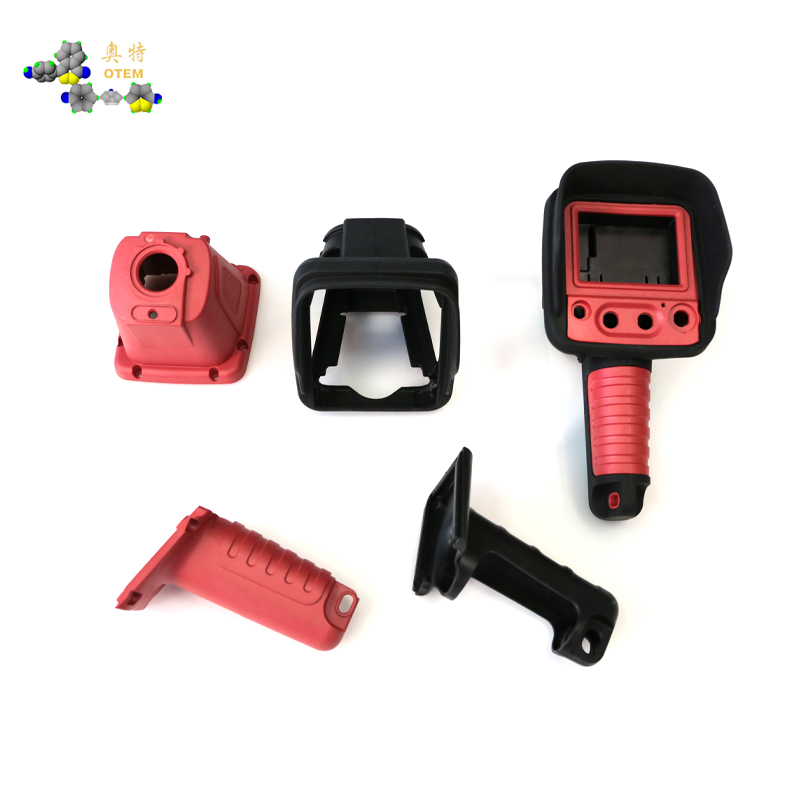
Hidden Champions of Precision Engineering
The dimensional stability of PPS (linear expansion coefficient 1.3×10??/K) is close to that of metallic aluminum (2.4×10??/K), which makes it shine in the field of precision manufacturing:
Microelectronics Packaging: In 5G communication equipment, the dielectric loss of PPS substrate in the high frequency band of 10-40GHz (tanδ<0.002) is better than that of epoxy resin (tanδ≈0.02), and the signal transmission efficiency is improved by 25%;
Optical instruments: After the drone gimbal adopts PPS gears, the transmission error is controlled within ±5μm and can adapt to the working temperature range of -40℃ to 120℃;
Medical Devices: FDA-certified PPS endoscope parts perform stably in 134°C steam sterilization cycles and replace traditional metal parts to reduce weight by 40%.
Innovative vehicles for sustainable manufacturing
The environmental protection characteristics of PPS are reflected in the entire life cycle:
Energy saving in processing: Its melt flow rate (MFR=80g/10min) supports the molding of thin-walled parts, and the injection molding energy consumption is reduced by 30% compared with polysulfone (PSU);
Recycling:After granulation, the mechanical property loss of recycled materials is less than 8%. A household appliance company has achieved an annual reduction of 1,500 tons of CO? through a closed-loop recycling system;
Lightweight contribution:New energy vehicles use PPS battery brackets, which are 50% lighter than aluminum alloy at the same strength, helping to increase battery life by 6-8%.
Key puzzle pieces for future technologies
Cutting-edge research continues to expand the possibilities of PPS:
Nanocomposite: After adding 2% carbon nanotubes, the thermal conductivity of the composite material is increased to 5W/(m·K), which is suitable for LED heat dissipation substrates;
3D Printing:The elongation at break of the hyperbranched modified PPS filament exceeded 15%, and a prototype of an engine pipeline resistant to 260°C was successfully printed;
Biocompatible:The surface sulfonated PPS material has entered the artificial joint coating test stage, and the wear rate has been reduced to 0.08mm?/million cycles.
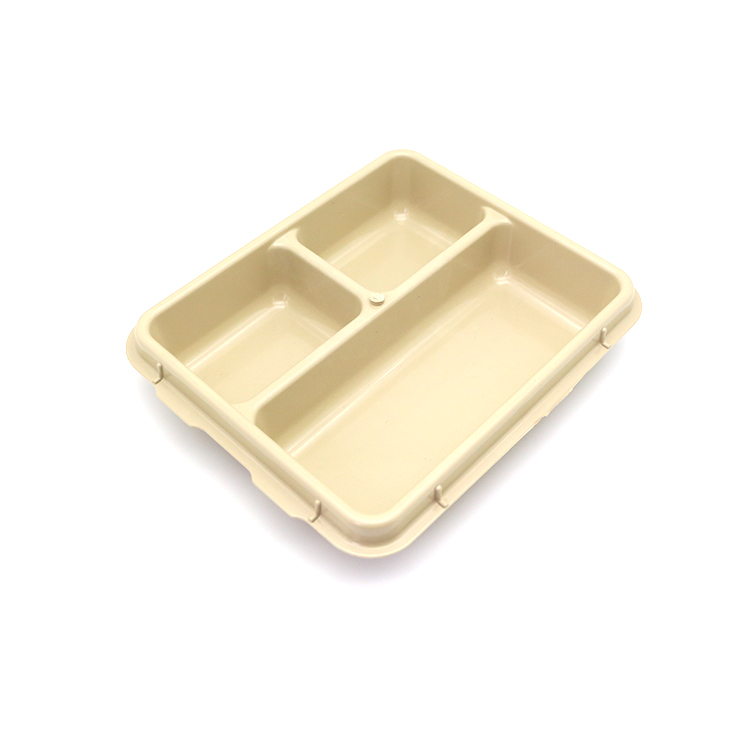
From aerospace to people's livelihood consumption, the cross-border application of PPS confirms the core value of material innovation - using molecular-level breakthroughs to solve engineering problems in the macroscopic world. With the development of technologies such as surface modification and composite reinforcement, this "thinking plastic" will surely play a more critical role in intelligent manufacturing and green transformation.
About Us Product Infor Application Service Human Resources Contact us
———— ———— ———— ———— ———— ———— ————
Company Profile Hign-Perfomance E?egineering? news Industry Application Technical Q&A Humanistic care Contact information
C?ompany culture E?egineering Plastic Applications Humanities Policy Online message
Enterprise Honor Fluoroplastic Job Recruitment