Polychlorotrifluoroethylene (PCTFE) Injection Molding: Unlock the Precision Manufacturing Code of Hi
In the field of high
In the field of high-end manufacturing, the compatibility of material performance and processing technology often determines the success or failure of a product. As a fluoroplastic with excellent comprehensive performance, the application potential of polychlorotrifluoroethylene (PCTFE) has long been limited by the efficiency bottleneck of traditional processing methods (such as molding or machining). However, breakthroughs in injection molding technology are pushing the advantages of this material from the laboratory to the fast lane of industrialization. This article focuses on the injection molding process of PCTFE, revealing how it can achieve closed-loop optimization of "material-process-performance" in the manufacturing of high-performance parts.
? ? ? ?Guangzhou AutoEngineering Plastics Co., Ltd., your professionalPCTFEPlastics Consultant!
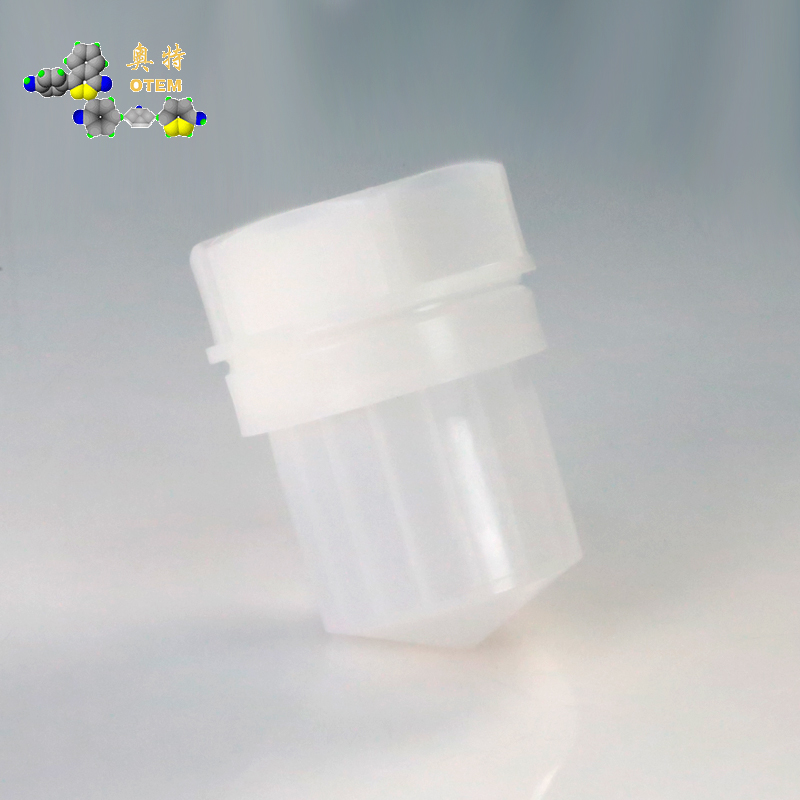
1. Why can PCTFE “run in both directions” with the injection molding process?
Traditional fluoroplastics (such as PTFE) are difficult to be molded by injection molding due to their high melt viscosity and poor fluidity. The molecular structure characteristics of PCTFE make it the most popular fluoroplastic in the family.Only suitable for injection moldingThis is due to two key genes:
Molecular chain flexibility design
The introduction of chlorine atoms into the PCTFE molecular chain destroys the perfluoro symmetrical structure of PTFE, and the crystallinity drops from 90% to 30%-40%. The increase in the proportion of amorphous areas significantly reduces its viscosity in the molten state (about 10?-10? Pa·s at 380°C), meeting the basic fluidity requirements of the injection molding process.Thermal stability window
Although the melting point of PCTFE (210-215°C) is close to that of PTFE (327°C), there is a processing window of about 85°C between its decomposition temperature (>300°C) and the melting point. In contrast, the characteristic of PTFE that it decomposes as soon as it melts is completely unsuitable for injection molding requirements.
This combination of properties allows PCTFE to inherit the core advantages of fluoroplastics such as corrosion resistance and low permeability, while also enabling mass production of complex structural parts through injection molding, opening up application scenarios that cannot be reached by traditional processing methods.
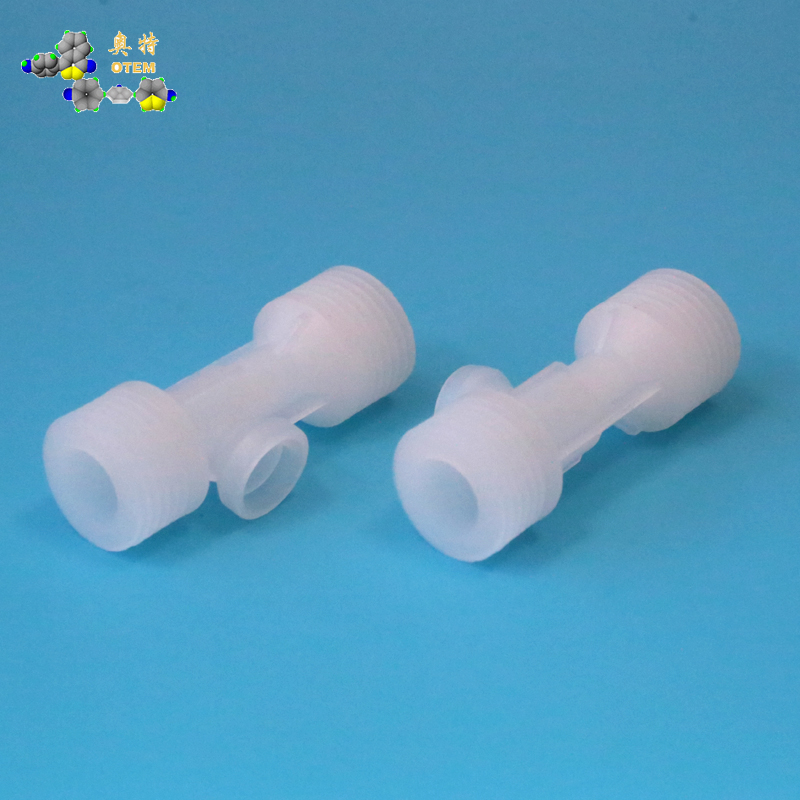
2. Five core challenges and countermeasures of PCTFE injection molding process
Challenge 1: Thermal Sensitivity and Temperature Control
PCTFE will release trace amounts of HF and Cl? above 300°C, which will corrode equipment and affect material properties.
Solution:
Adopt closed-loop temperature control system to precisely control the barrel temperature at 270-290°C (front section) and 290-310°C (nozzle)
Use chrome-plated screw and bimetallic barrel to improve corrosion resistance
Case:Germany Arburg injection molding machine uses PID algorithm in PCTFE processing to control temperature fluctuation within ±1°C
Challenge 2: High shrinkage and dimensional accuracy
The molding shrinkage of PCTFE is about 1.5-2.5%, which is much higher than that of ordinary engineering plastics (such as POM's shrinkage of 0.8-1.5%).
Solution:
When designing the mold, reserve a magnification factor to compensate for shrinkage (usually 1.8-2.3%)
Adopting a stepped pressure holding process: the initial pressure holding pressure is 80-100 MPa, which is gradually reduced to 20 MPa in 3 stages
data:Sumitomo Heavy Industries of Japan has reduced the pitch error of precision gears from ±0.05 mm to ±0.01 mm by optimizing the pressure holding curve
Challenge 3: Release stress and surface defects
The high rigidity of PCTFE can easily lead to internal stress cracks during demolding.
Solution:
The mold surface is hard chrome plated (thickness ≥ 0.03 mm), and the surface roughness Ra < 0.1 μm
Demolding slope design> 1°, with pneumatic ejection system
Innovation:H?ring of Switzerland develops electromagnetic pulse assisted demoulding technology, which increases the pass rate of thin-walled parts to 99.3%
Challenge 4: Weld line strength reduction
The strength of the weld line area of ??complex structural parts may drop by 30%-40%.
Solution:
Increase the melt temperature to 310°C (close to the upper limit) and extend the melt front fusion time
Adopt multi-gate design and combine Moldflow simulation to optimize flow path
Experimental verification: Tests by DuPont in the United States show that after optimization, the tensile strength of the weld seam is restored from 25 MPa to 38 MPa
Challenge 5: Post-crystallization induced dimensional drift
PCTFE will undergo dimensional changes (about 0.1-0.3%) within 48 hours after injection molding due to secondary crystallization.
Solution:
Forced annealing process: heat treatment at 130°C for 2 hours to eliminate internal stress
Predict deformation based on deep learning and reversely correct mold parameters
Industry PracticeArkema of France launches pre-crystallized PCTFE grade (Neoflon? CTFE-PC), which reduces the post-shrinkage rate to 0.05%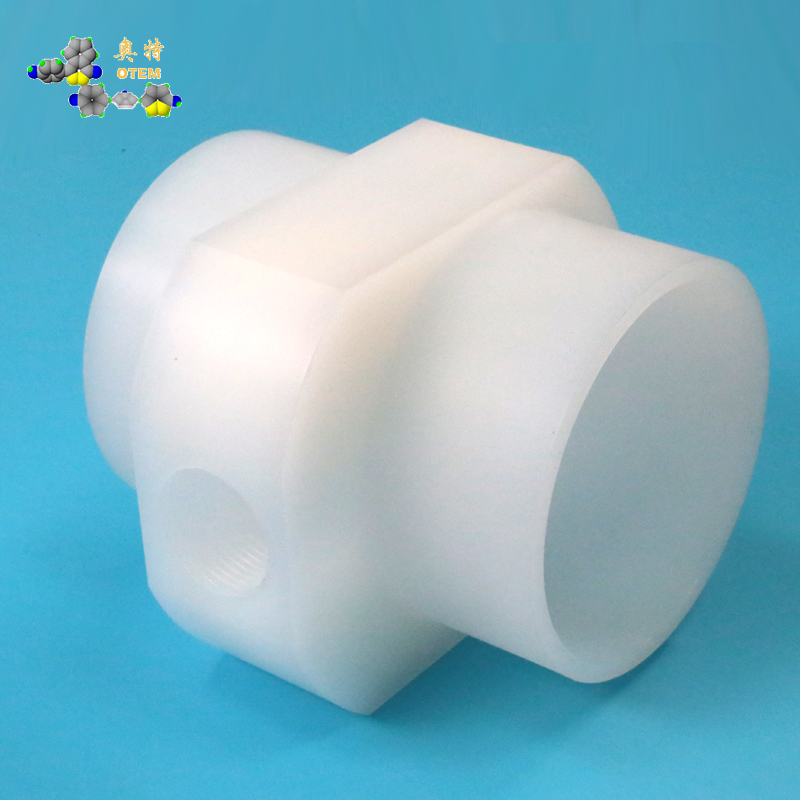
3. Four innovative applications enabled by injection molding technology
Application 1: Semiconductor wafer transfer robot
In chip manufacturing, the PCTFE injection molding robot fingers must meet the following requirements:
Ultra-clean (particle release <5/㎡·h)
Antistatic (surface resistance 10?-10? Ω)
Plasma corrosion resistance
breakthroughTokyo Ohka Industry develops gas-assisted injection molding hollow structure, which reduces weight by 40% and increases rigidity by 20%
Application 2: Precision gear set for micro insulin pump
The advantages of medical PCTFE gears are:
Self-lubricating (friction coefficient 0.1-0.2) to avoid lubricating oil contamination
Resistant to gamma ray sterilization (performance retention rate > 95% at 50 kGy dose)
Technical Details:In-mold assembly technology realizes post-processing-free integration of 0.2 mm modulus gears
Application 3: Bipolar plates for spacecraft fuel cells
Traditional graphite bipolar plates are brittle, PCTFE injection molding solution:
Conductive filler (carbon fiber + graphene) content up to 40%
Runner thickness 0.3 mm, molding cycle < 60 seconds
Performance comparison:Volume resistivity dropped from 10? Ω·cm to 5 Ω·cm, and power density increased by 3 times
Application 4: 5G base station circulator housing
Millimeter wave band (24-47 GHz) requires:
Stable dielectric constant (2.3±0.05)
Low dielectric loss (tanδ<0.001)
Process innovation: Variable temperature injection molding technology (mold surface drops from 160°C to 40°C instantly) eliminates flow marks
4. Cutting-edge technology: intelligent and green upgrades
Intelligent direction
Digital twin system: ANSYS Granta MI platform realizes AI derivation from material data to molding parameters
Online monitoring: Terahertz waves detect the crystallinity distribution of products in real time and dynamically adjust the holding pressure.
Green breakthrough
Supercritical CO? foam injection molding: product density reduced to 0.6 g/cm?, material consumption reduced by 35%
Chemical recycling technology: Mitsubishi Chemical developed a depolymerization process that converts scraps into monomers with a recovery rate of >90%
5. Future Outlook: The Key to a Trillion-dollar Market
According to Grand View Research, the global specialty engineering plastics injection molding market will reach $42 billion by 2030, of which PCTFE is expected to increase from 1.8% in 2023 to 4.5%. Driving factors include:
New energy vehicles: 800V high-voltage system has a surge in demand for insulation components
Artificial organs: PCTFE injection molded micro blood pump impeller breaks through the limits of biocompatibility
Quantum computing: Superconducting magnet support structures require dimensional stability at -269°C
Conclusion
From molecular design in the laboratory to intelligent control of injection molding machines, the industrialization of PCTFE explains the true meaning of collaborative innovation between materials and processes. As Peter Meyer, chairman of the German Plastics Processing Association, said: "The manufacturing revolution in the 21st century is no longer a breakthrough in a single material, but a dance between materials and processes." In this transformation, PCTFE injection molding technology is becoming the golden key to open the door to high-end manufacturing.
??? ? ? Guangzhou AutoEngineering Plastics Co., Ltd., your professionalPCTFEPlastics Consultant!
About Us Product Infor Application Service Human Resources Contact us
———— ———— ———— ———— ———— ———— ————
Company Profile Hign-Perfomance E?egineering? news Industry Application Technical Q&A Humanistic care Contact information
C?ompany culture E?egineering Plastic Applications Humanities Policy Online message
Enterprise Honor Fluoroplastic Job Recruitment